A question list
The open questions that matter, ranked by how much damage a wrong answer would do. Each has a suggested way to answer it: an interview, a look at existing data, or a quick prototype test.
No question matches. Try a shorter word, or ask us directly.
Product discovery · mobile · web · London
Insyta investigates before it builds. We help you separate what you know from what you assume, then design and develop mobile apps and web applications that answer real needs and use data with purpose.
Move the lens over the brief, or
“Our customers want an app so they can book appointments faster. Everyone uses their phone for this now. We need it live before the summer and it should have all the features of our website.”
That is not a criticism. A brief has to be written before anyone knows everything. The trouble starts when guesses are treated as facts and built straight into screens, databases and launch dates.
On day one we annotate your brief like this fictional one, marking which phrases are evidence, which are constraints and which are hopes. It usually takes an hour and changes the shape of the project.
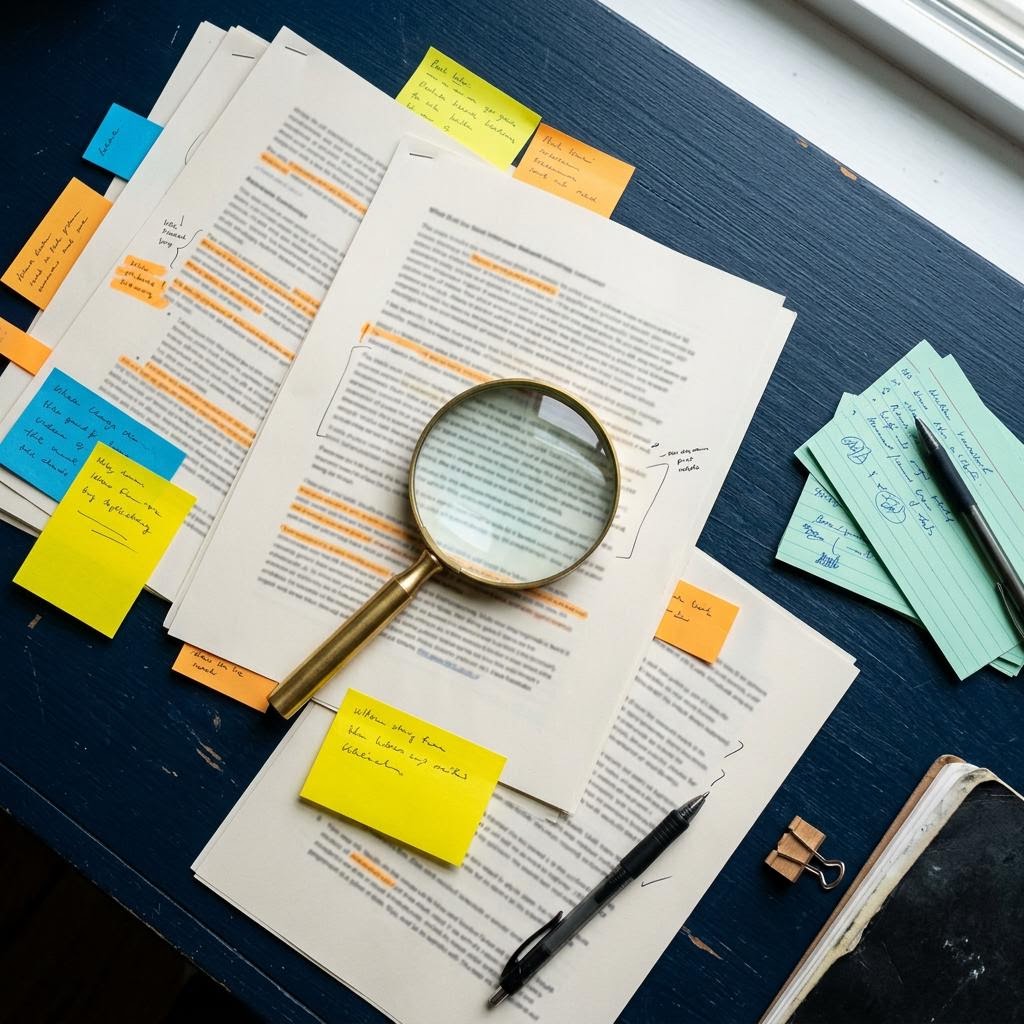
Illustration created for this site
We read the small print of your problem before we write a line of code.
Discovery has a reputation for vague workshops and long reports. Ours ends with a handful of short, concrete things you can act on whether or not you continue with us.
The open questions that matter, ranked by how much damage a wrong answer would do. Each has a suggested way to answer it: an interview, a look at existing data, or a quick prototype test.
Short summaries of conversations with users or staff, quoting their language. Interfaces built from real vocabulary need fewer help pages.
A clickable model of the riskiest journey, tried by a few real people. We record where they hesitated and what we changed.
One page saying what the first release does, what it leaves out on purpose and what data it needs, ready to estimate and build.
Type the beliefs your product depends on, then decide how sure you really are. It is the first exercise we run in every discovery, and it is useful on its own. Anything left in “Guessed” is a candidate for research before it becomes a feature.
Five sentences we often hear in briefs. Decide what each one is, then read why. There are no trick questions, only useful arguments.
“Our customers hate phoning us.”
“Last quarter, most bookings arrived through the website form.”
“People will want every feature the website has.”
“In testing, five people paused at the payment step.”
“Younger users will only ever use an app.”
Choose an answer for each sentence.

We will not show you invented charts, made-up percentages or results from projects we cannot name. Evidence in our work comes from your users, your data and tests we run together, and we say clearly where the evidence stops and judgement begins.
That honesty applies after launch too. Our support work runs Monday to Friday, 09:00 to 18:00 UK time, and every report receives a written diagnosis before any change is made.
Read our standards“Tell me about the last booking you made” gets a real story. “How do you usually book?” gets a tidy, imagined average.
Before adding a feature for a group of users, check how many of them appear in your own records. Small groups still matter, but they deserve a different plan.
Every test prototype should carry the question it is meant to answer. If nobody can say what it is, the test is not ready.
What is the question you keep coming back to?
Ask it here